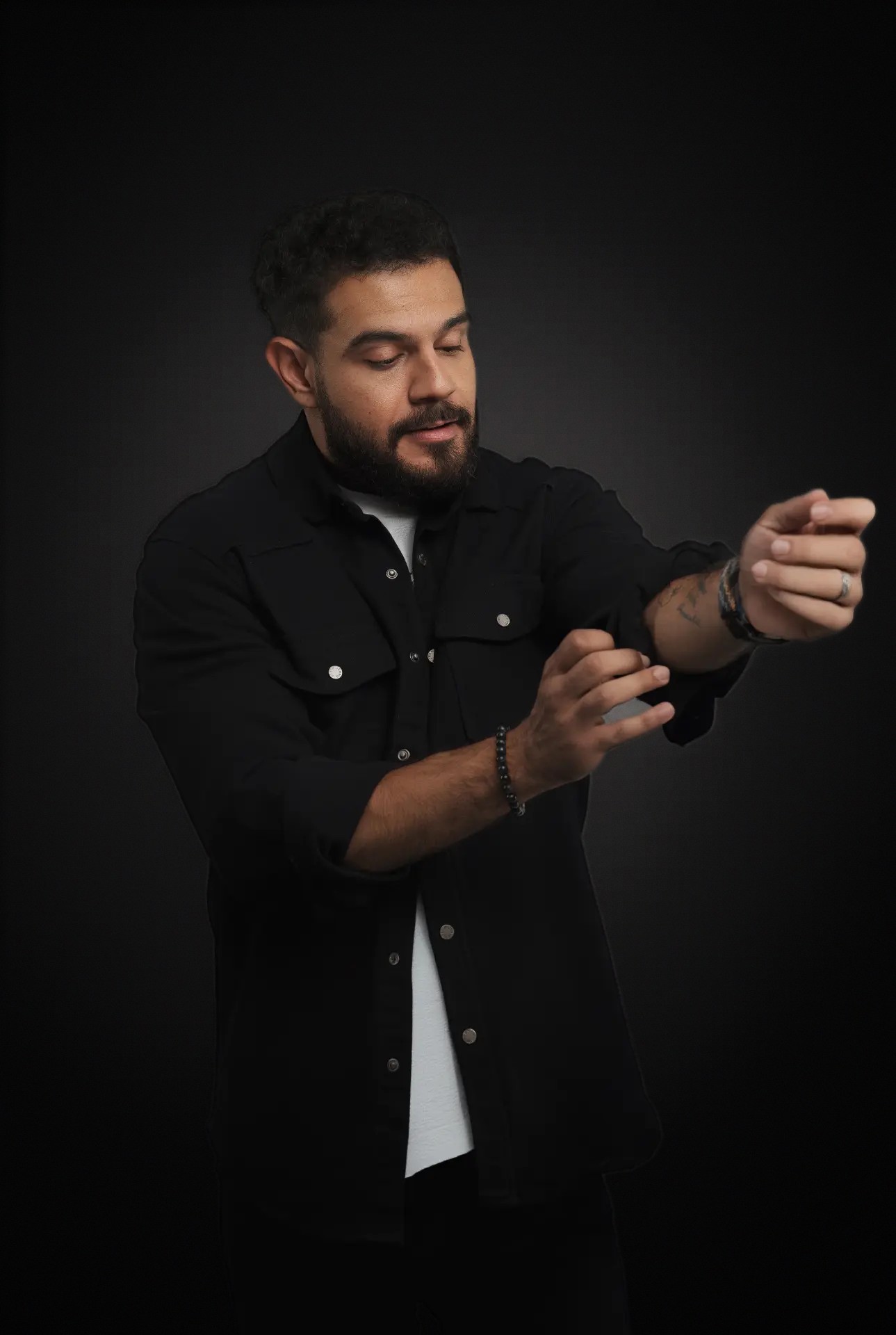
Coaching management, withno bullshit.
Be more mentioned andless needed.
How it works
A fitness coach doesn't lift for you. They watch how you move, find what's compensating for what, and give you instructions and a plan you can run without them. They can spot you if the lift is about to fail, but not on every rep. Anything else is dependency dressed up as solution.
That's the job. I come in, watch, listen, find what's actually broken, and work through it with the people who live it. Not around them, not instead of them. There won't be another framework on top of a broken foundation.
I'm not there to expose people. I'm there to expose problems and to leave you able to see and fix the next one yourself. And if a new goal needs a second look, or a hand for a while, that door is still open.
What I always end up asking
The turn
 Tap to revealThe root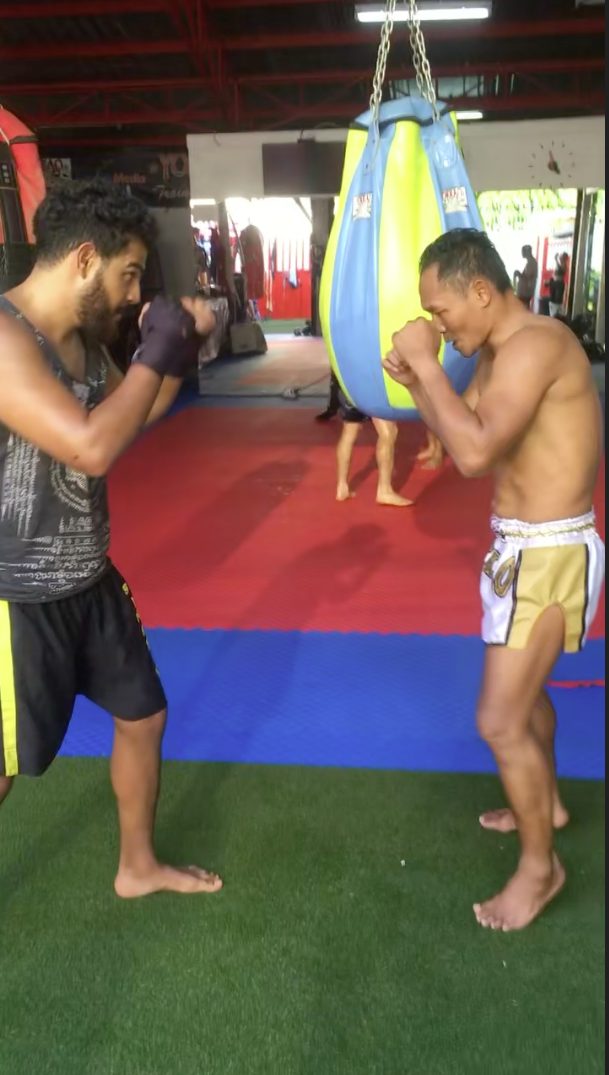
 Tap to revealThe root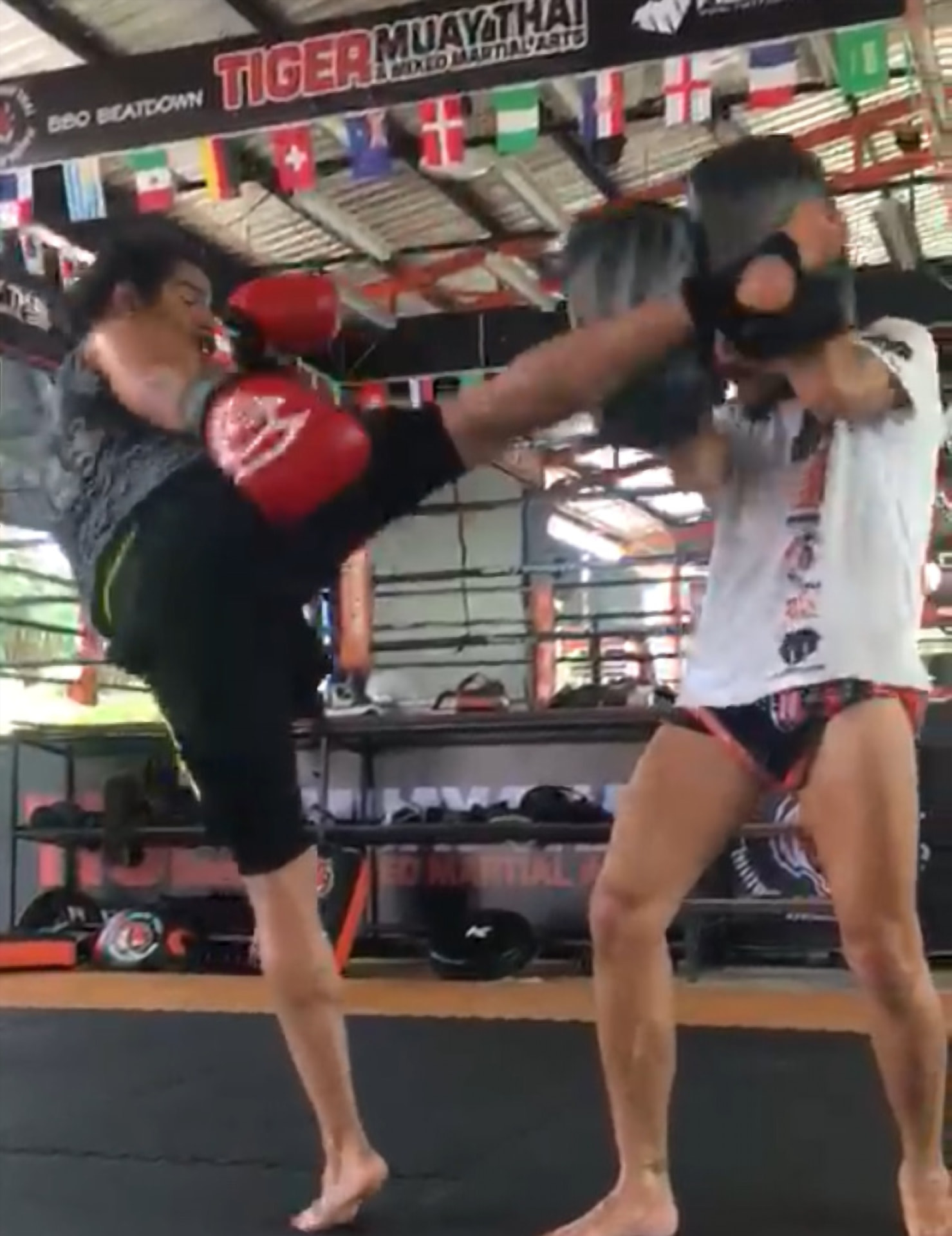
 Tap to revealThe root
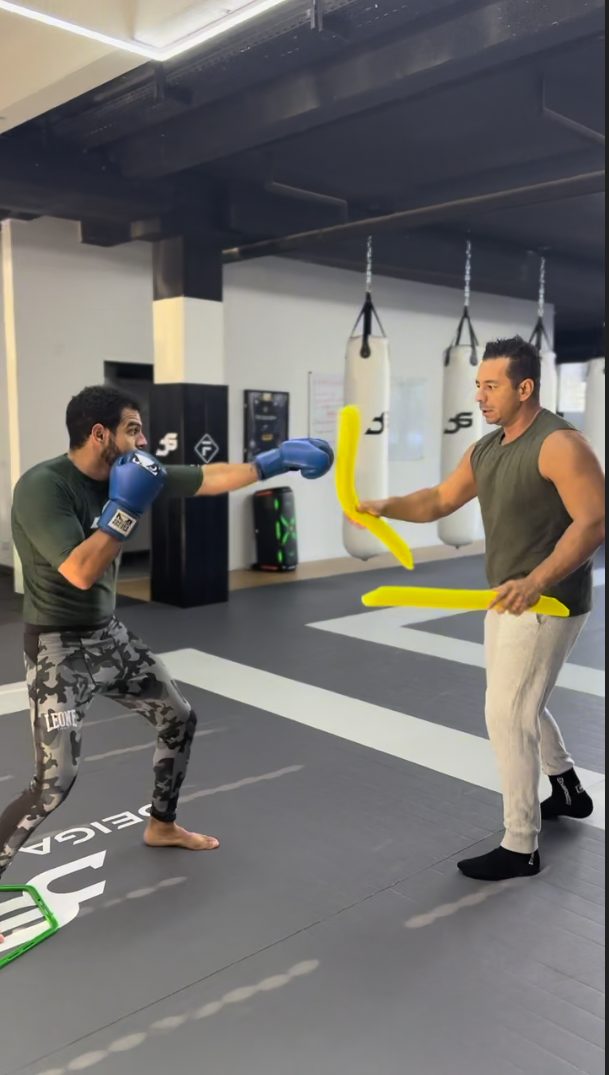
The fitness coach isn't a metaphor I shopped for. I'm on the receiving end of one.
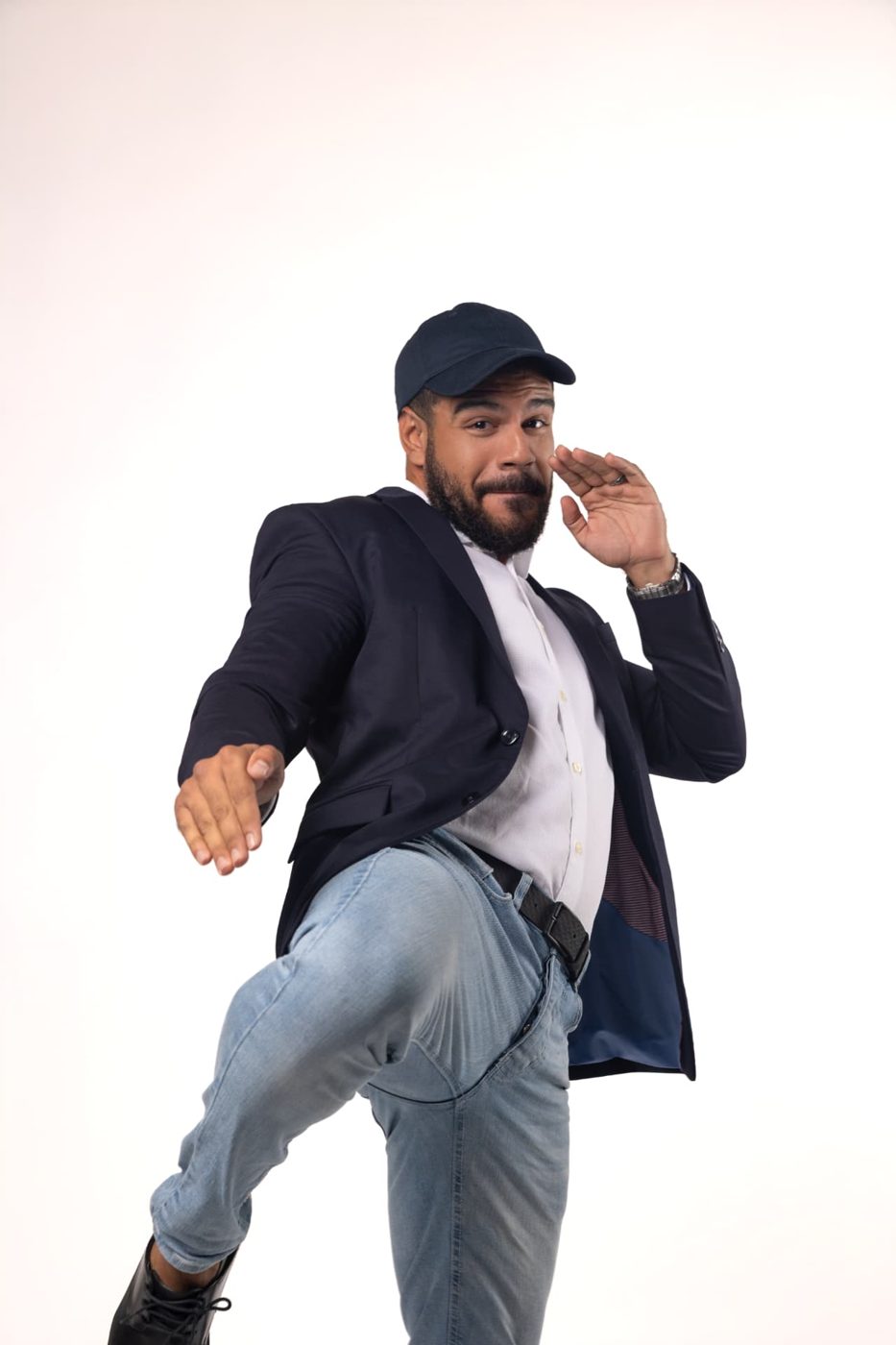
I train, and I pay someone to watch me move, because from the inside, compensating feels like progress. I've spent enough time on the mats to know what feedback sounds like when it arrives fast and honest. I ride a motorcycle across borders: risk you don't manage manages you. And I've rebuilt my life on three continents, which is what "a plan you can run without them" looks like when it isn't a slide.
The point isn't the hobbies. It's that I don't ask companies for anything I haven't done myself, or led the change before. Watched. Tested. Spotted when it counts, independent the rest of the time.
The story
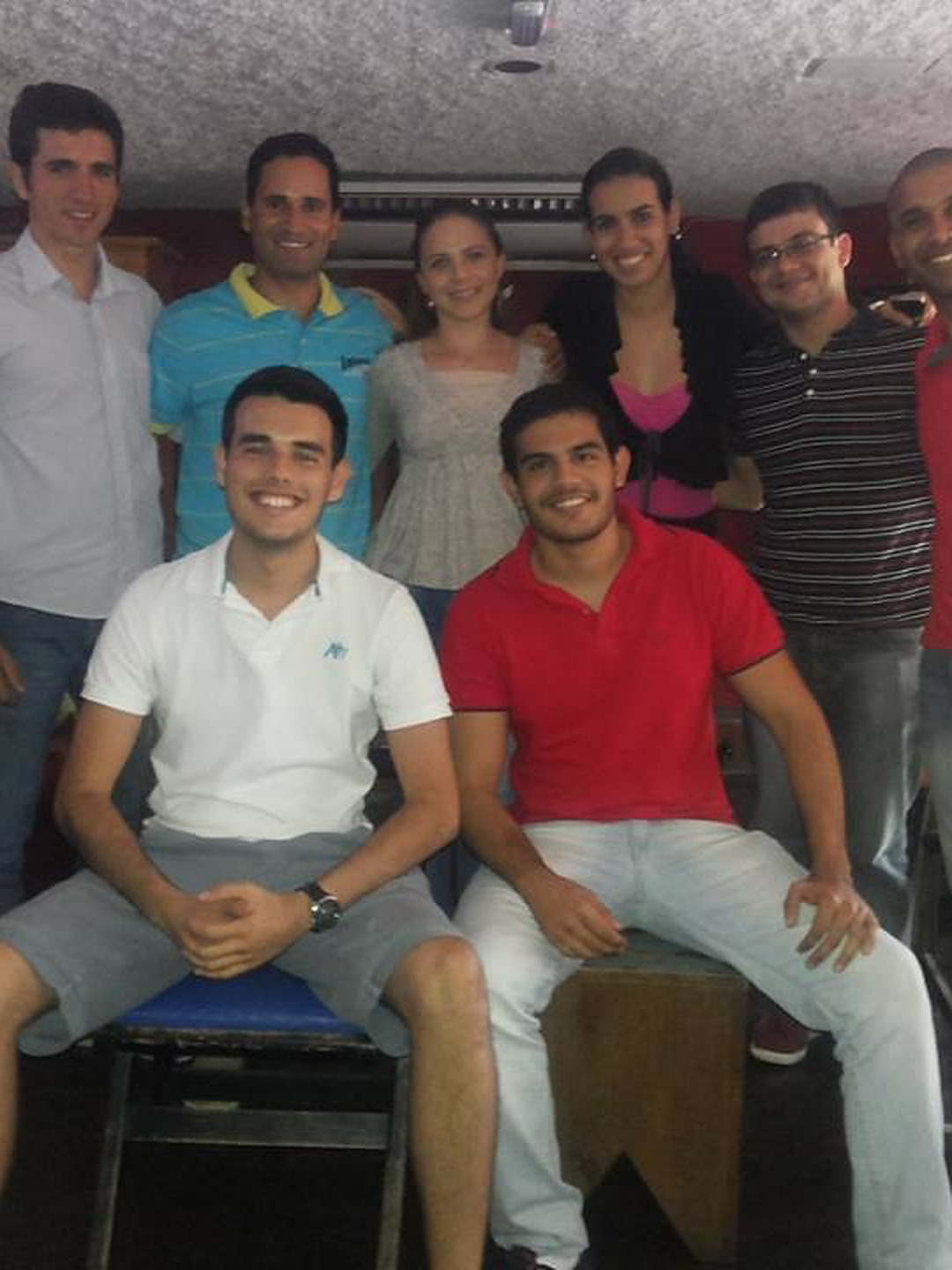
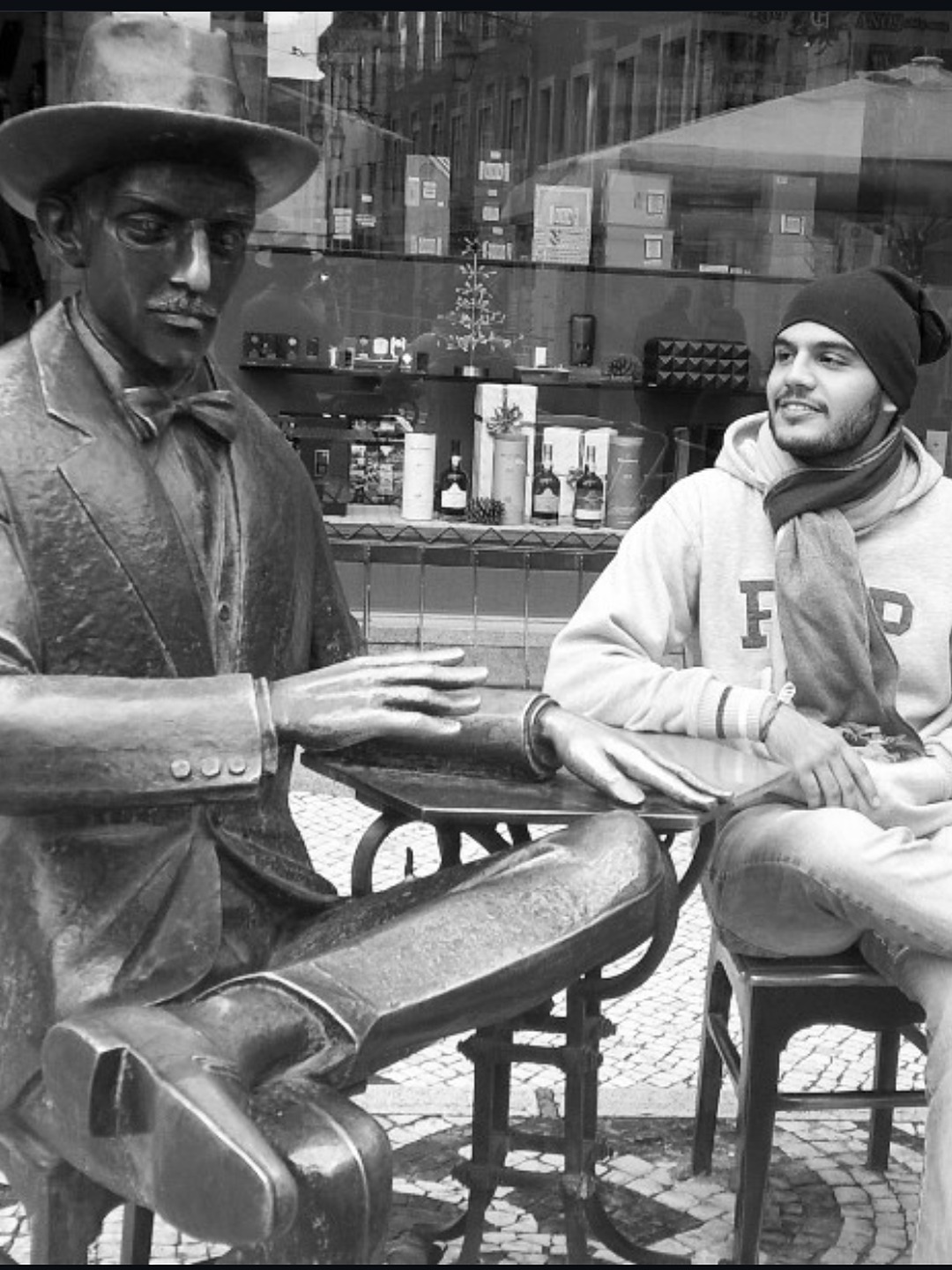
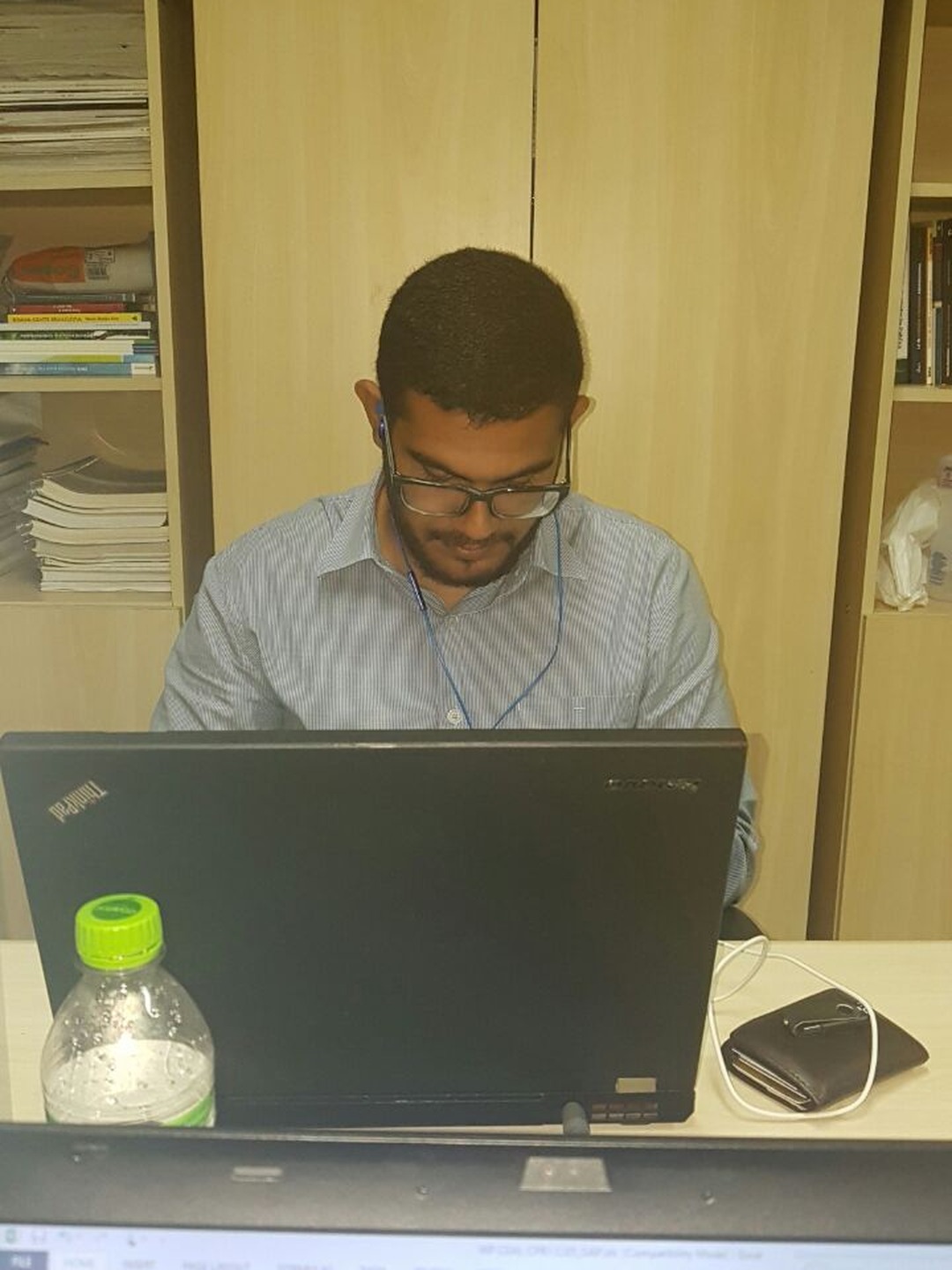
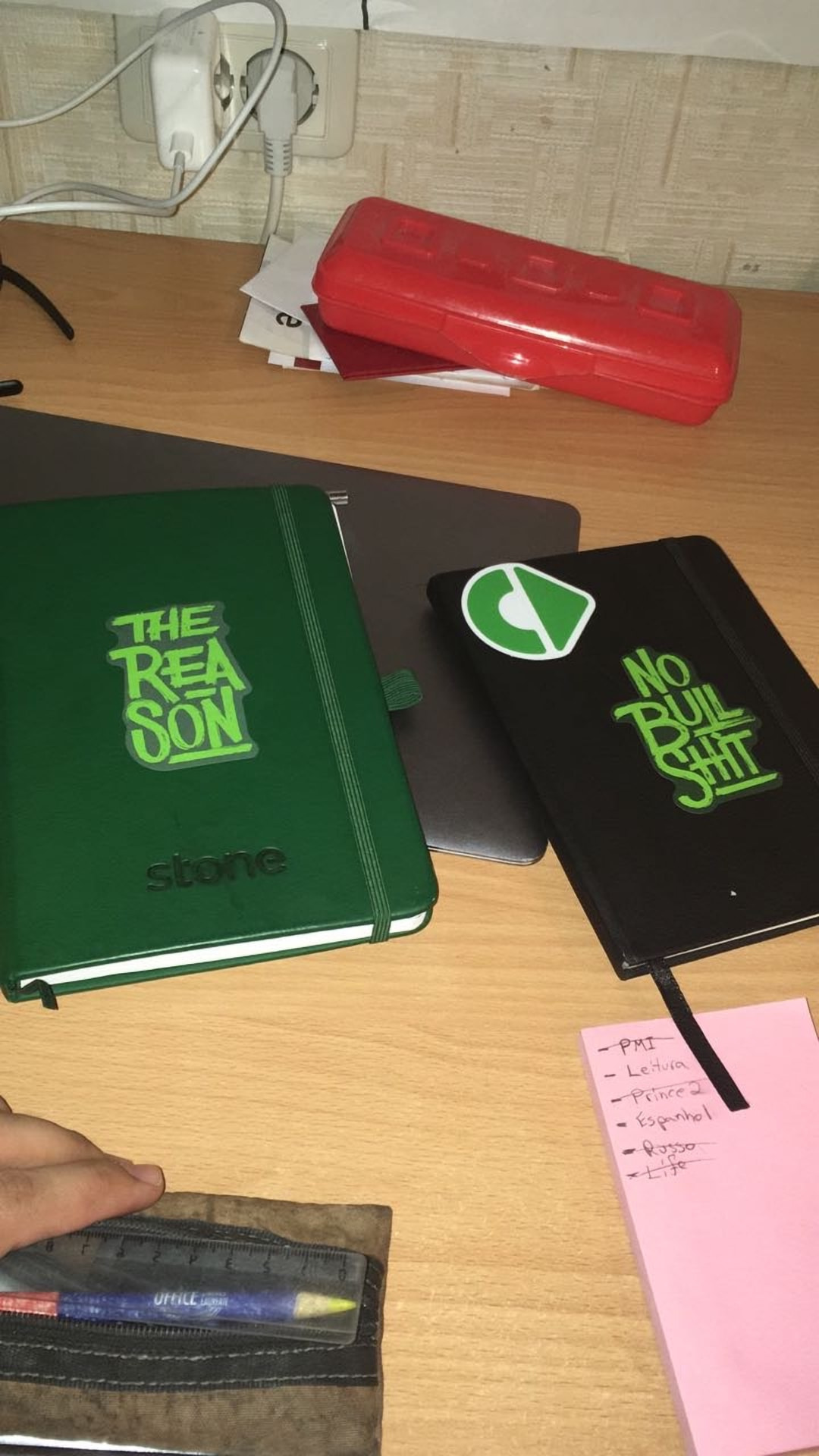
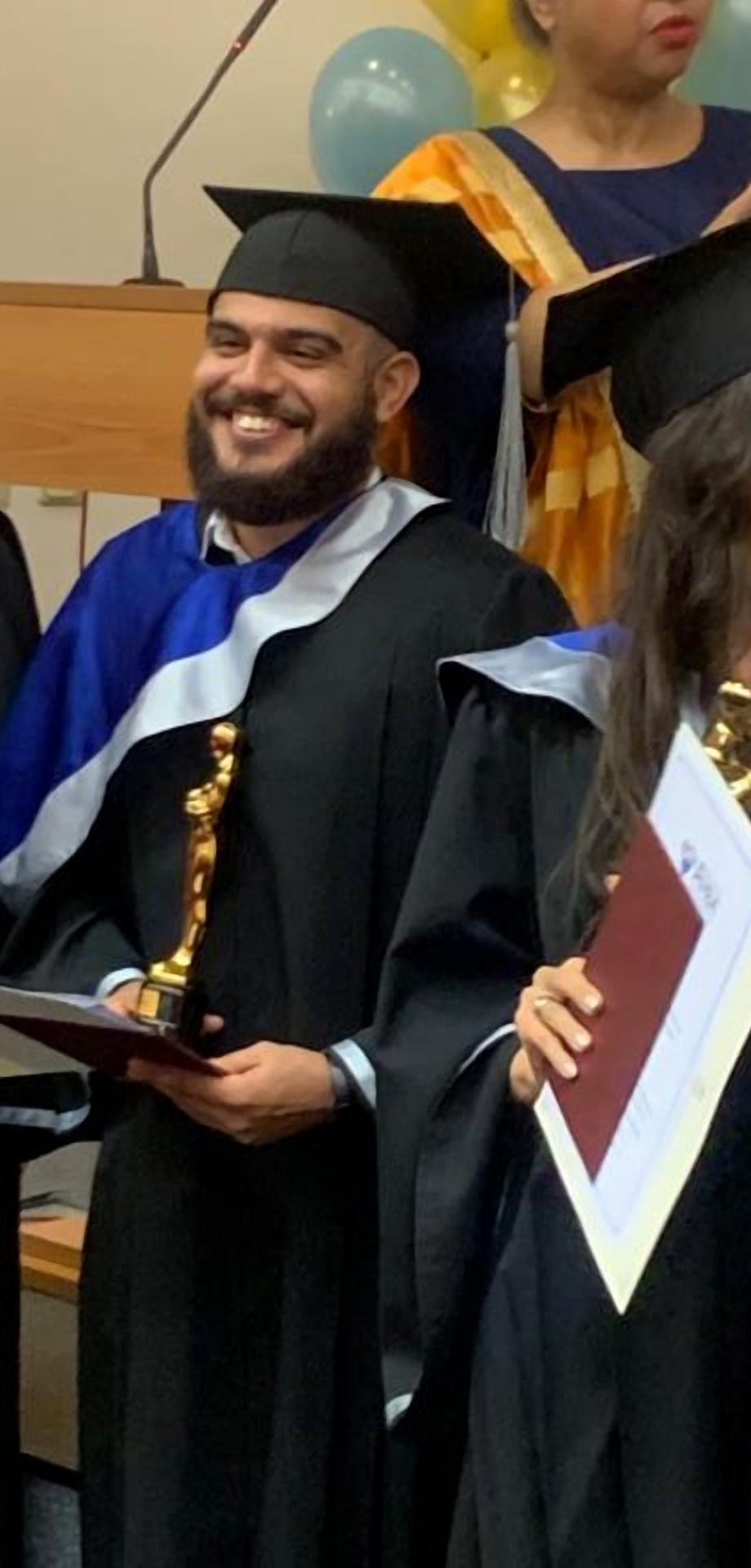
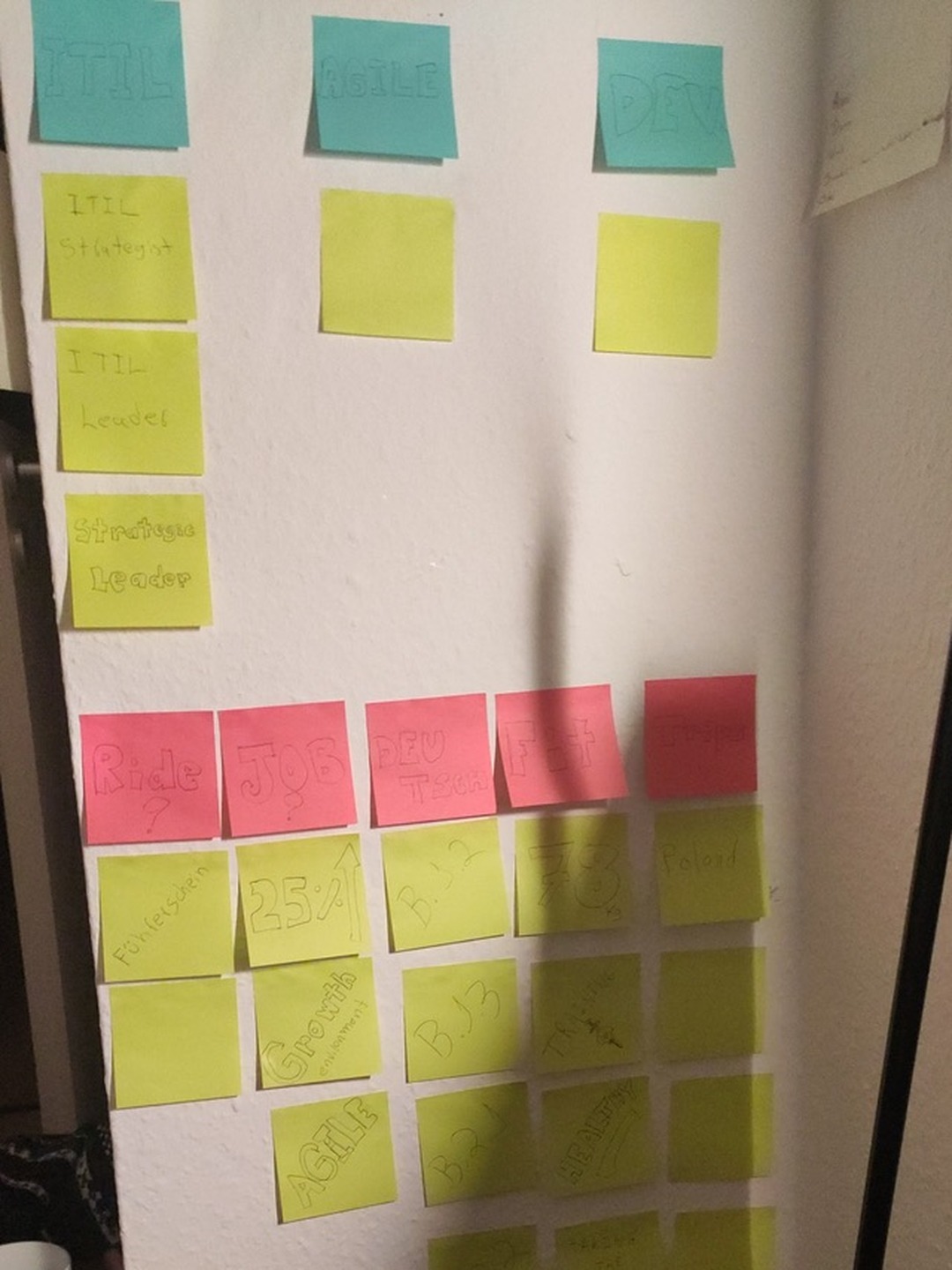
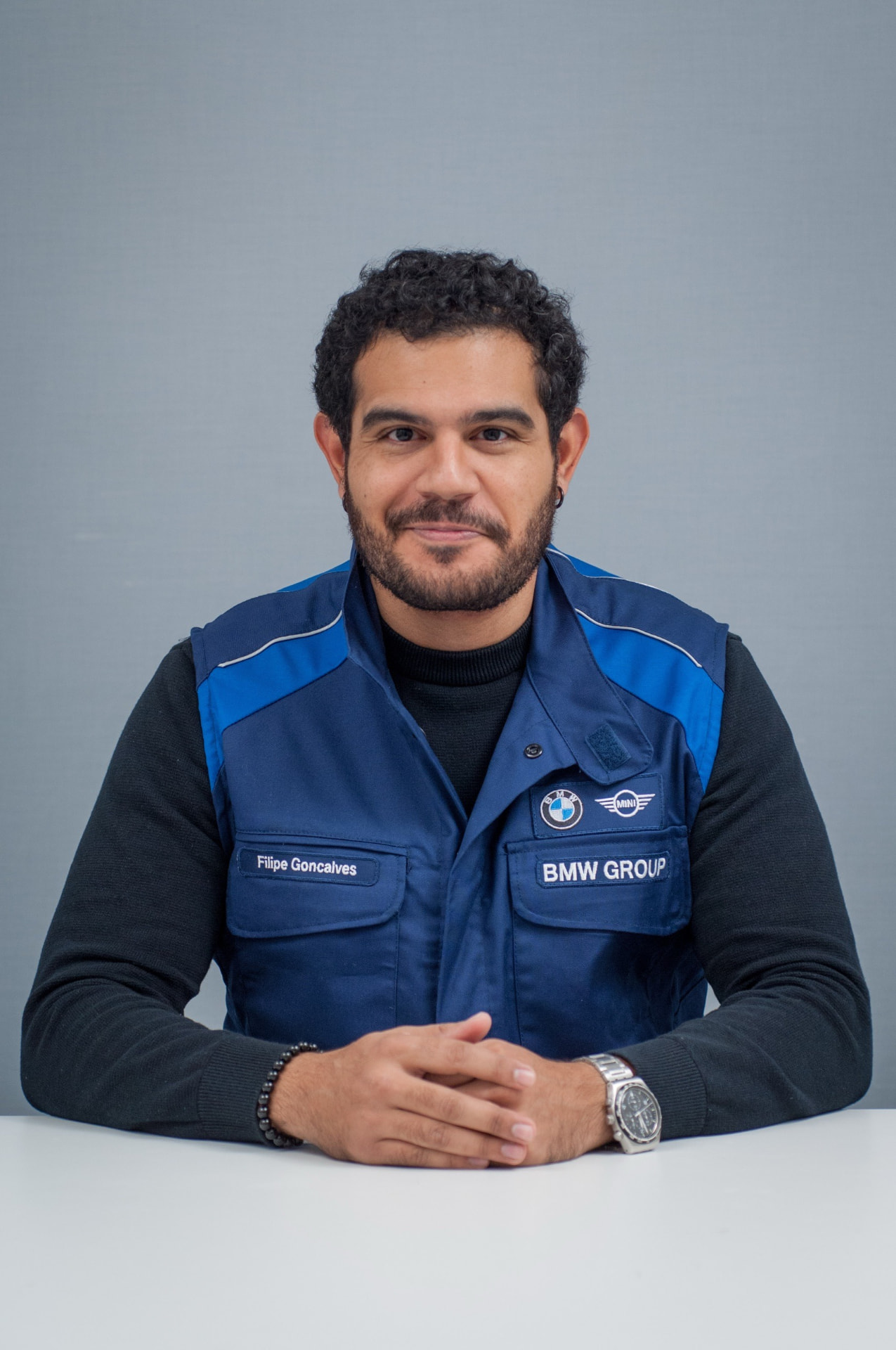
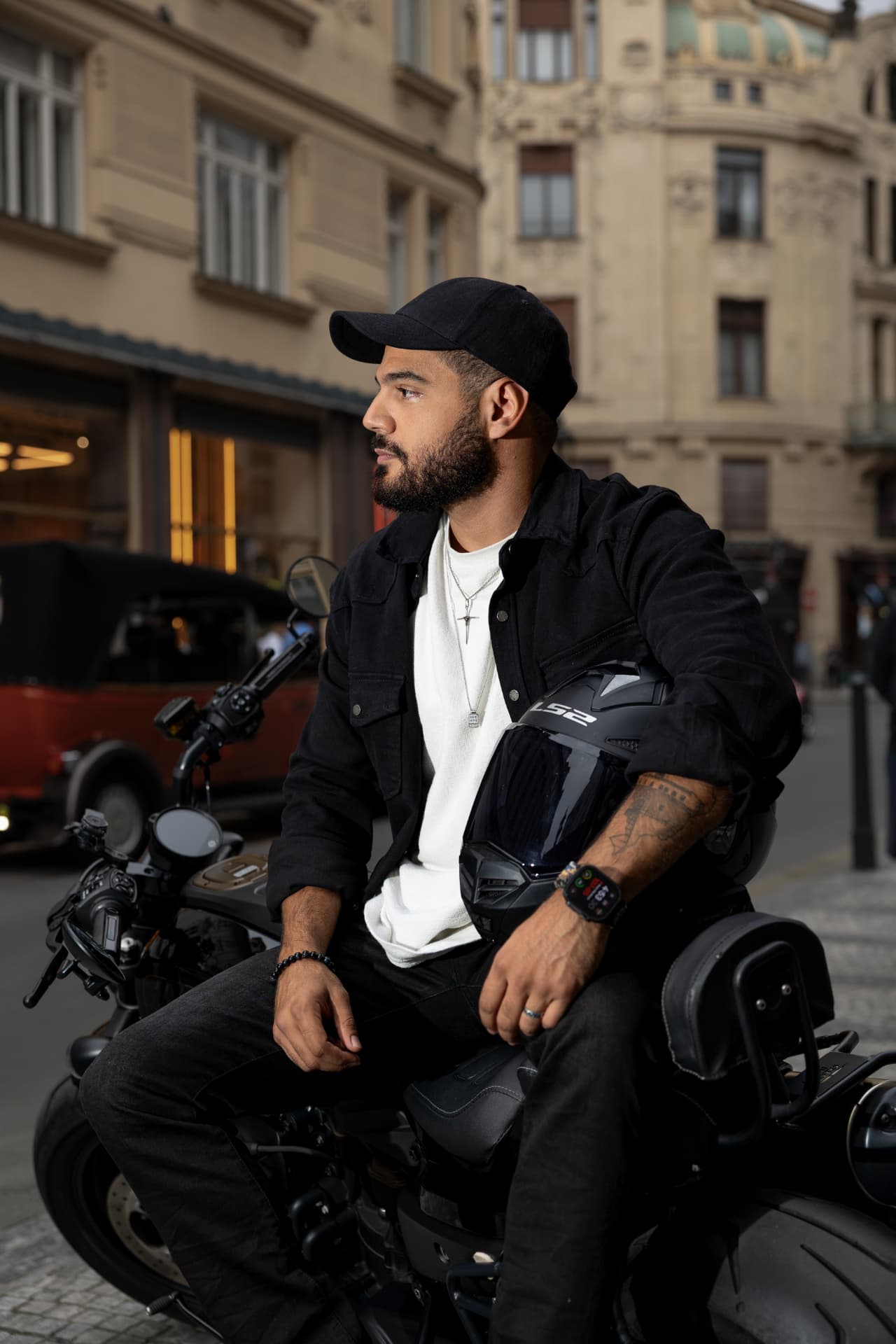
Salvador, 2013. Law school by day (between other activities), Business school by night. A partner and I started a consultancy for bars and restaurants, and before anything else we built a diagnostic model: watch how the place actually runs, find what's compensating for what, fix what we could with the people who work there, and bring in specialists for what wasn't ours to fix. Nobody called it a method. It was what made sense, before anyone taught us otherwise.
Because of this firm and structure, I was nominated Deputy Director of the Association of Young Entrepreneurs of our State (AJE Bahia).
In 2014 I decided to leave Brazil. My own timeline carries a note next to that decision: whenever really possible.
Porto, 2015, on a scholarship. Then cancer. Surgery was scheduled for the 10th of January; they operated on the 6th, because I wasn't going to make the 10th. Survived. Back at work by May. A Big 4 desk by August.
Whenever really possible turned out to mean: after. My mother and grandmother were sick, and I had promised to be there until the end. So I stayed, and took the jobs that let me keep the promise. My grandmother passed at the end of June 2017. My mother at the end of August. I was in Moscow by September.
A master's there, with honors. Germany in 2020 through travel hospitality, IoT, then automotive: Continental, BMW. In 2025 the contracts ended the way contracts end, and I moved to Cyprus to build my own thing. Again.
Twelve years, three continents, and every room had the same face in it. People agreed in the meeting and told the truth in the corridor. The answers were always sharper than anything in the retrospectives. So that became the job: getting those answers back into the room where the decisions were made.
Worked at & with
On the record
As a sparring partner, he struck a great balance between empathy and constructive challenge.
Always ready to listen, support, and push my thinking further. That dynamic helped our teams move towards meaningful, lasting improvements.
Extensive experience, expertise, and the assertiveness to advise, coach, and support organizations, teams, and individuals in improving themselves.
Thank you Filipe for your humbleness, your openness, frankness, professionalism and human kindness I have been honoured to experience in the last year.
He not only explains principles with clarity, but demonstrates how they can be applied effectively in real-work scenarios.
Even in delicate situations he faced, he tried to do his best, and did — leaving open doors in the company and with me.
Where the work happens
Here,on this page, I think out loud. When it turns into working on projects for customers, structuring their organization, strategy or checking why their delivery isn't flowing, then BoloDeCoco can handle that. It scopes it, signs it, does it.
I'll either do it or supervise it from there.